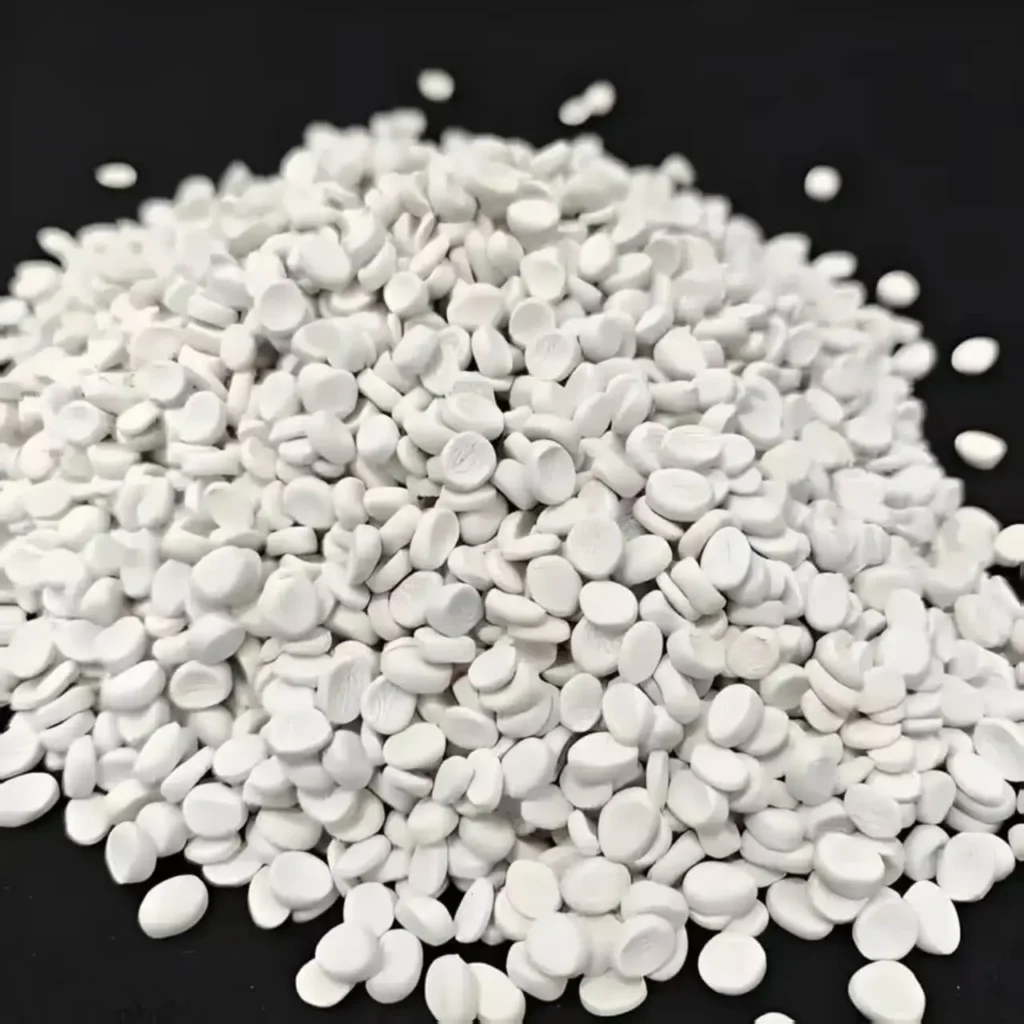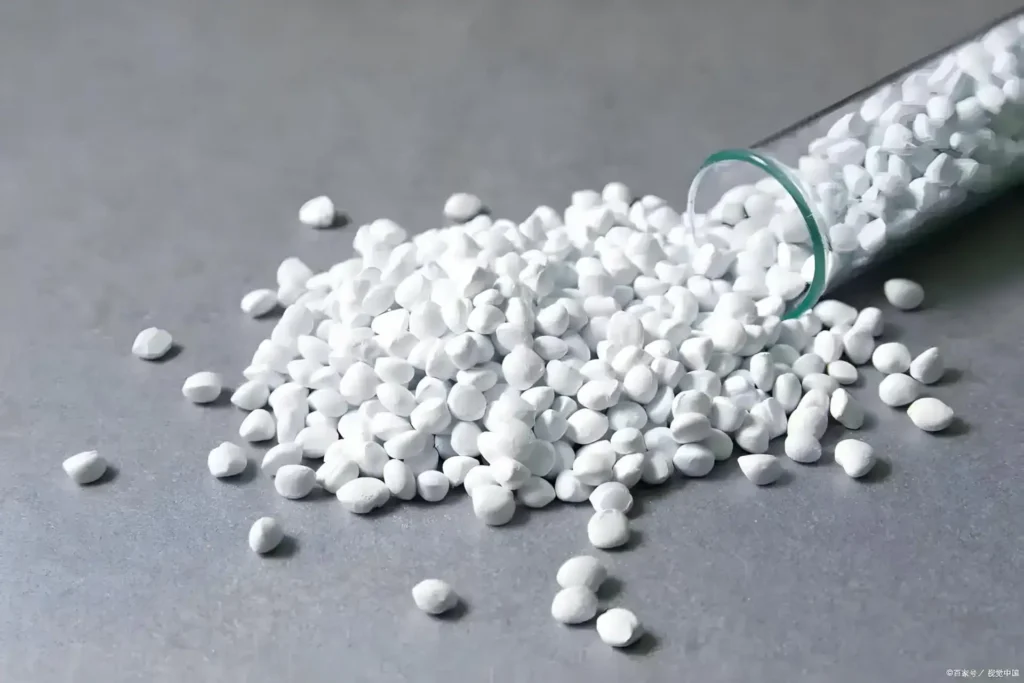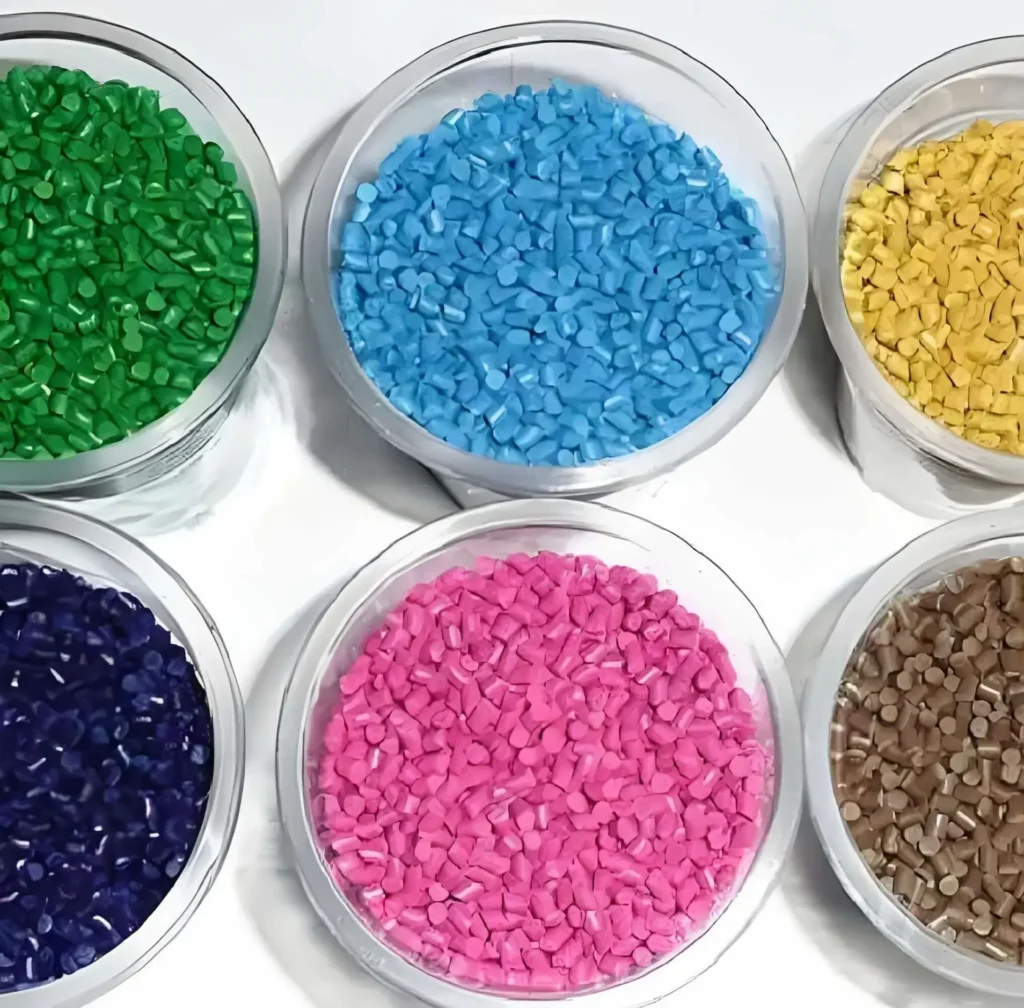
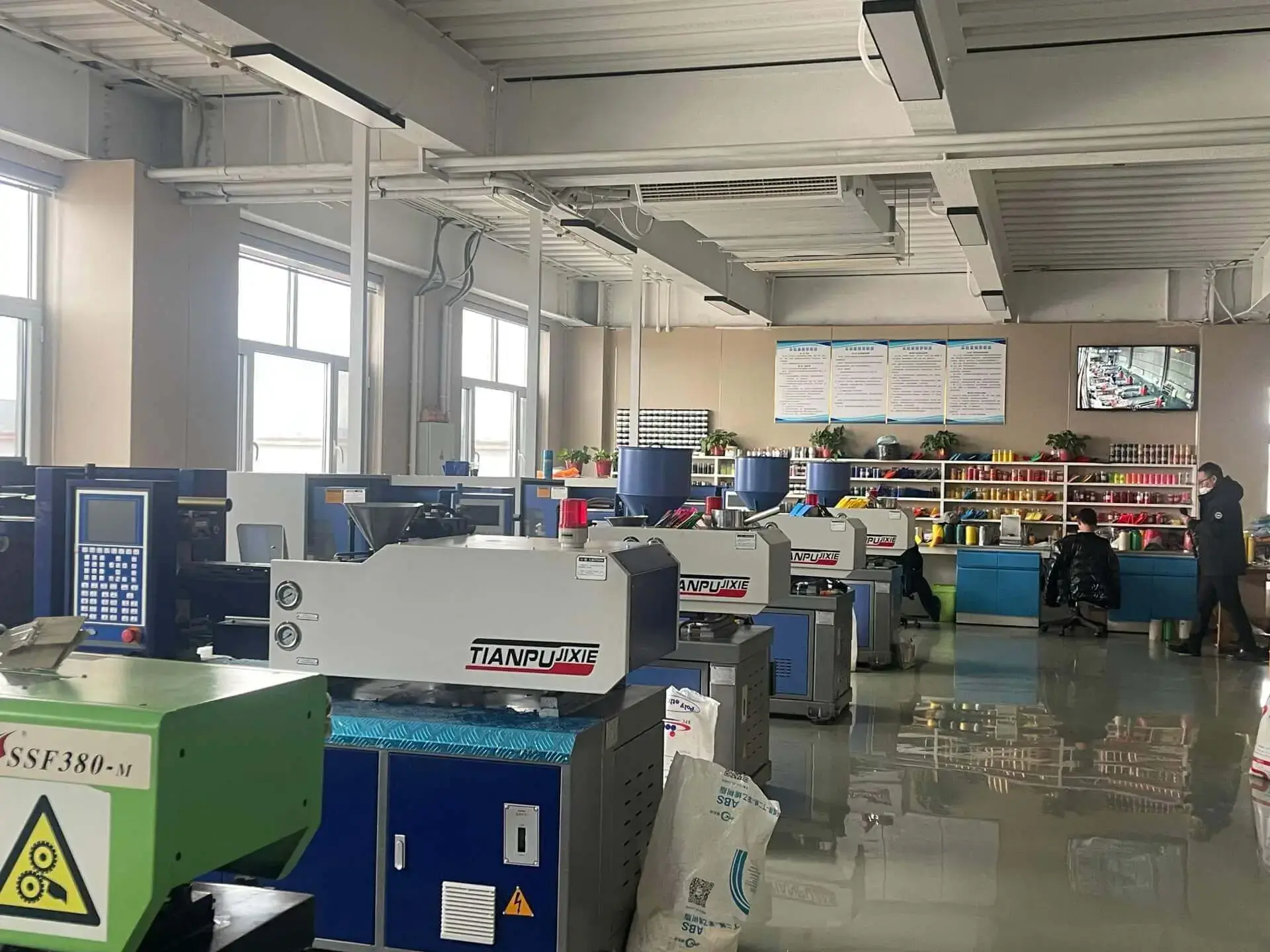
Biodegradable masterbatches are specialized polymer colorants formulated exclusively for bioplastics like PLA (Polylactic Acid) and PBAT (Polybutylene Adipate Terephthalate). Unlike conventional colorants, their carrier resins and pigment additives are scientifically engineered to undergo rapid microbial decomposition in industrial composting facilities. They provide precise coloring and functional enhancement without disrupting the base polymer’s inherent compostability, ensuring strict compliance with global environmental regulations.
1. Processing Characteristics of Biodegradable Plastics (PLA/PBAT)
Coloring bioplastics presents unique thermo-mechanical challenges compared to traditional polyolefins (PE/PP). To achieve optimal dispersion without compromising the polymer chain, manufacturers must account for specific processing characteristics:
Thermal Sensitivity: PLA is highly susceptible to thermal degradation and hydrolysis. Processing temperatures must be strictly controlled, typically within the 180°C to 200°C range. Exceeding this window leads to a drastic drop in molecular weight and mechanical failure.
Moisture Control: Both PLA and PBAT are highly hygroscopic. Masterbatches must be aggressively pre-dried. The residual moisture content of the masterbatch must be kept below 250 ppm (0.025%) prior to extrusion to prevent severe hydrolytic degradation during melt processing.
Melt Flow Index (MFI) Matching: Biopolymer blends often exhibit non-Newtonian flow behaviors. The masterbatch carrier must be carefully matched to the base resin’s MFI to prevent viscosity mismatch, which can cause severe die-drool or uneven dispersion during PBAT coloring.
2. The EN 13432 Imperative: Carrier Resin Compliance
For packaging exporters targeting the European market, environmental claims must be backed by empirical certifications. The critical bottleneck for a masterbatch for PLA is often the carrier resin’s compliance with the European standard EN 13432.
100% Biodegradability: The standard mandates that the carrier resin and additives must achieve a biodegradation rate of over 90% (conversion to CO2, water, and biomass) within 180 days under industrial composting conditions.
Heavy Metal Restrictions: A non-compliant colorant can instantly disqualify the entire packaging product. EN 13432 enforces ultra-low thresholds for heavy metals and fluorine. For instance, the maximum allowable concentration for Lead (Pb) is strictly capped at 50 mg/kg, and Cadmium (Cd) at 0.5 mg/kg.
Ecotoxicity: The composted residue resulting from the masterbatch must undergo plant growth tests (ecotoxicity) to guarantee it leaves no toxic residue that inhibits seed germination.
3. How Pigments Influence the Degradation Rate
Selecting compostable additives is not merely about color matching; it actively impacts the end-of-life cycle of the plastic.
Organic vs. Inorganic Pigments: Certain synthetic organic pigments possess highly stable chemical structures that resist microbial attack, artificially extending the degradation timeline.
Photocatalytic Effects: Some grades of Titanium Dioxide (TiO2) used in white masterbatches act as photocatalysts. While this can accelerate UV degradation in outdoor environments, high concentrations of heavy mineral fillers can physically block microbes from accessing the polymer chains during composting, slowing the biological breakdown rate.
Catalytic Degradation: Conversely, certain metallic trace elements found in low-grade pigments can act as pro-oxidants, triggering premature degradation during the shelf-life phase of the packaging.
4. Typical Application: Eco-Friendly Packaging
The most prominent application for these advanced masterbatches is the flexible packaging sector, specifically blended PLA/PBAT films used for shopping bags, agricultural mulch films, and food wrappers.
In a PBAT coloring scenario for flexible mailer bags, the masterbatch must deliver high opacity with minimal dosage (typically 2-4%) to preserve the film’s elongation at break and tear resistance, all while maintaining absolute EN 13432 compliance for cross-border e-commerce logistics.
Troubleshooting & Common Pitfalls
Solution: Never use standard PE or EVA carriers for PLA masterbatches. Even at a 2% addition rate, a non-degradable carrier permanently ruins the compostable certification of the final product. Always specify PLA or PBAT-based carriers.
Solution: If PLA parts become brittle post-coloring, it is almost certainly due to moisture-induced hydrolysis during extrusion. Ensure the masterbatch utilizes desiccant packaging and is dried at 80°C for at least 4 hours before use.
Solution: PBAT films are prone to flow marks. This is typically caused by a high MFI differential between the colorant carrier and the PBAT base. Opt for a tailor-made carrier resin with a matching rheological profile.
Masterbatches for PLA and PBAT must prioritize thermal stability and strict moisture control (< 250 ppm) to prevent hydrolytic degradation. For global compliance, selecting carrier resins and pigments that meet the EN 13432 standard is mandatory, requiring >90% biodegradation within 180 days and strict heavy metal limits (e.g., Pb < 50 mg/kg). Avoid using conventional polyolefin carriers, as they will invalidate compostability certifications. Engineers must balance aesthetic demands with ecotoxicity requirements to ensure eco-friendly packaging performs flawlessly during its shelf life and biodegrades safely afterward.