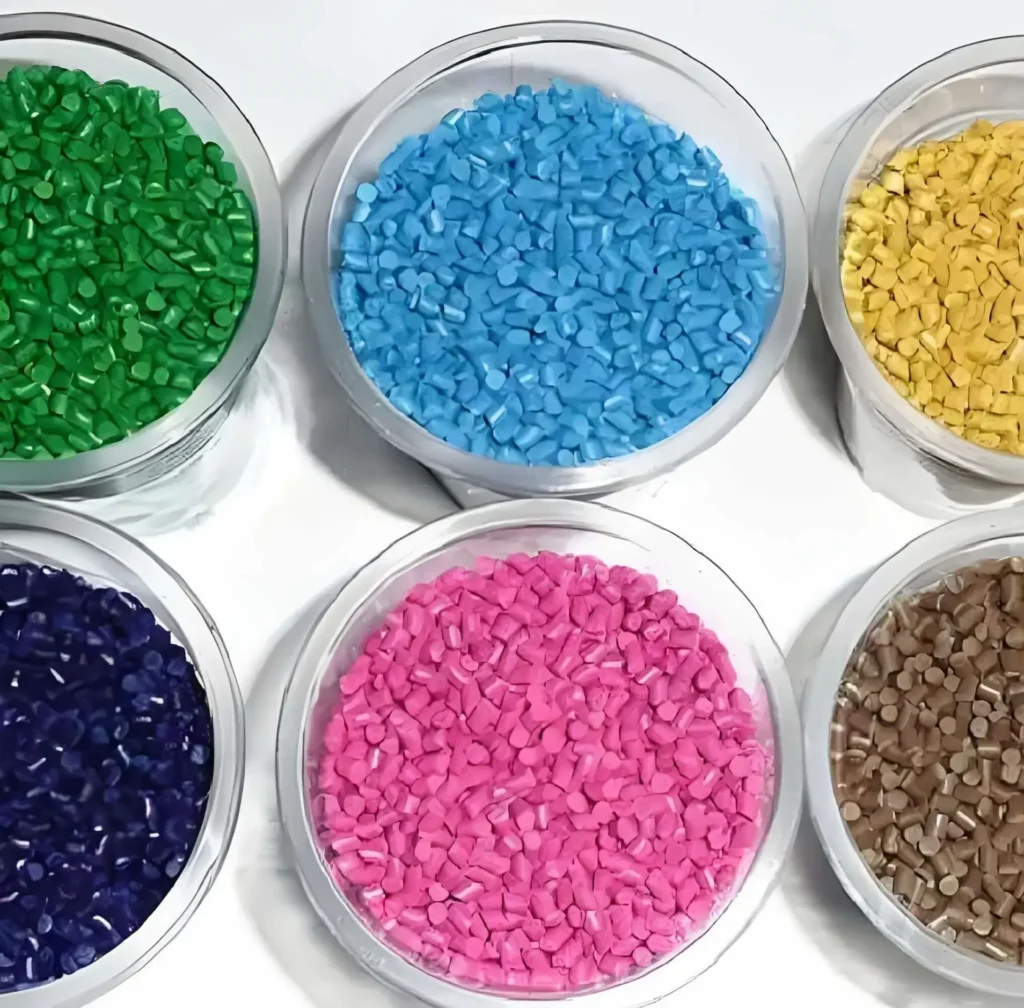
Corporate ESG strategies and impending EU packaging directives are forcing injection molders and thermoformers to integrate higher percentages of Post-Consumer Recycled (PCR) plastics into their supply chains. The commercial mandate is clear, but the engineering reality on the factory floor is a nightmare. Unlike virgin resins, PCR is chemically exhausted and visually contaminated. When operators try to hit specific Pantone targets using standard colorants, they are met with wild color shifts, surface streaking, and soaring scrap rates. This technical bulletin breaks down the chemical mechanics behind color consistency in recycling and outlines how to re-engineer your sustainable masterbatch to force uniform aesthetics onto unpredictable base resins.
1. The Anatomy of Delta E Spikes in PCR
To fix the color, you must understand why it fails. When transitioning from virgin polymer to circular economy polymers (like rPET, rPP, or rHDPE), extrusion engineers frequently battle severe Delta E (ΔE) fluctuations.
Delta E is the standard metric for total color difference. In virgin resins, keeping ΔE < 1.0 is standard practice. With PCR, ΔE can jump to 3.0 or 4.0 between batches. Why?
The Fluctuating Baseline: PCR is a soup of impurities. It contains residual printing inks, oxidized adhesives, and degraded polymer chains that have been through multiple high-heat shear cycles.
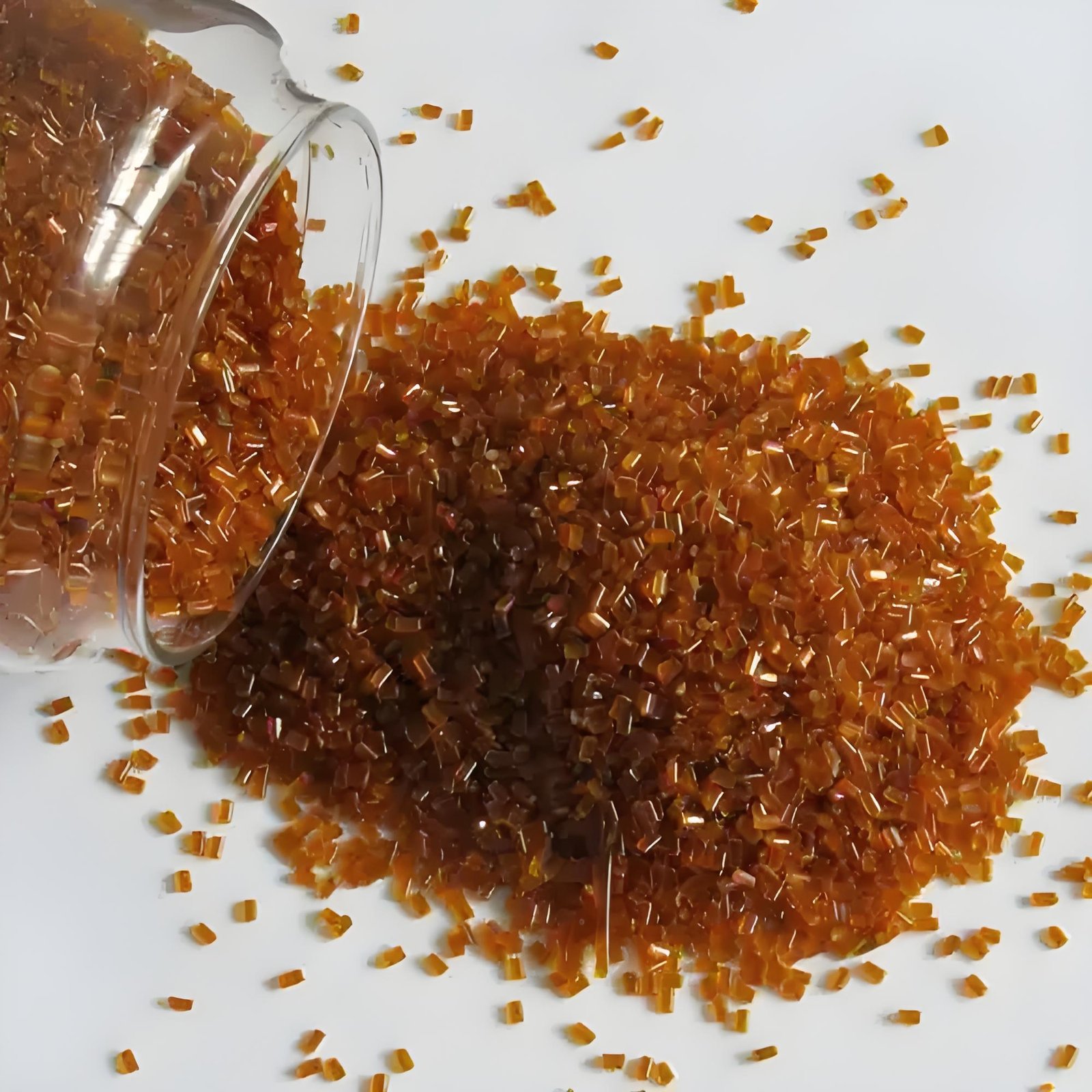
The Yellow/Grey Shift: Thermal degradation causes the PCR pellets to develop a persistent yellowish or grey-green undertone.
The Math Problem: Color matching is an additive process. If your target color relies on a specific pigment loading, but your base resin shifts from light grey on Monday to dark yellowish-brown on Tuesday, applying the exact same masterbatch will yield two completely different final colors.
2. The Masking Strategy: High-Opacity Rutile TiO2
You cannot simply dye over a contaminated baseline; you have to block it.
Standard masterbatches fail in PCR because they rely on the natural transparency of virgin resin to achieve bright, clean colors. For coloring PCR plastics, the masterbatch must first act as a primer coat.
The Formulation Shift: We re-engineer the masterbatch to include a highly controlled loading of densely coated, premium Rutile Titanium Dioxide (TiO2).
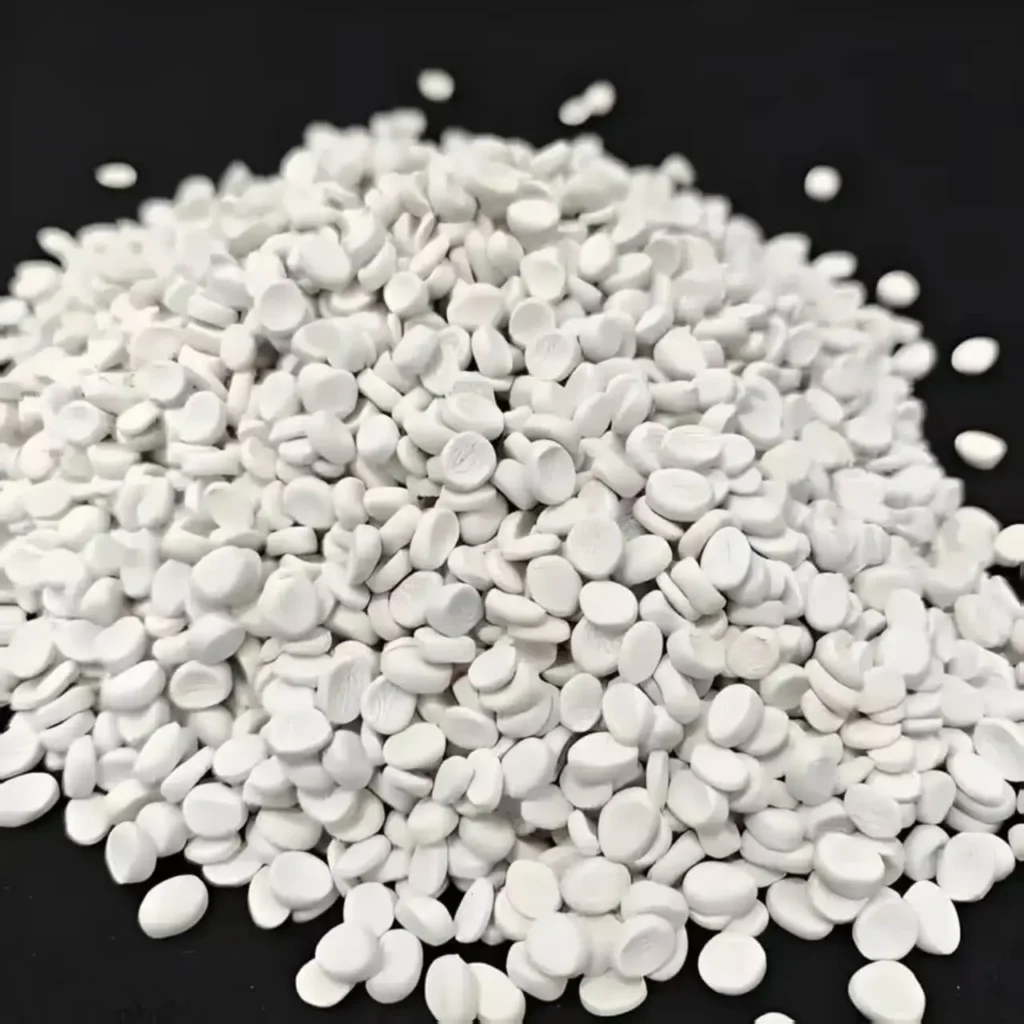
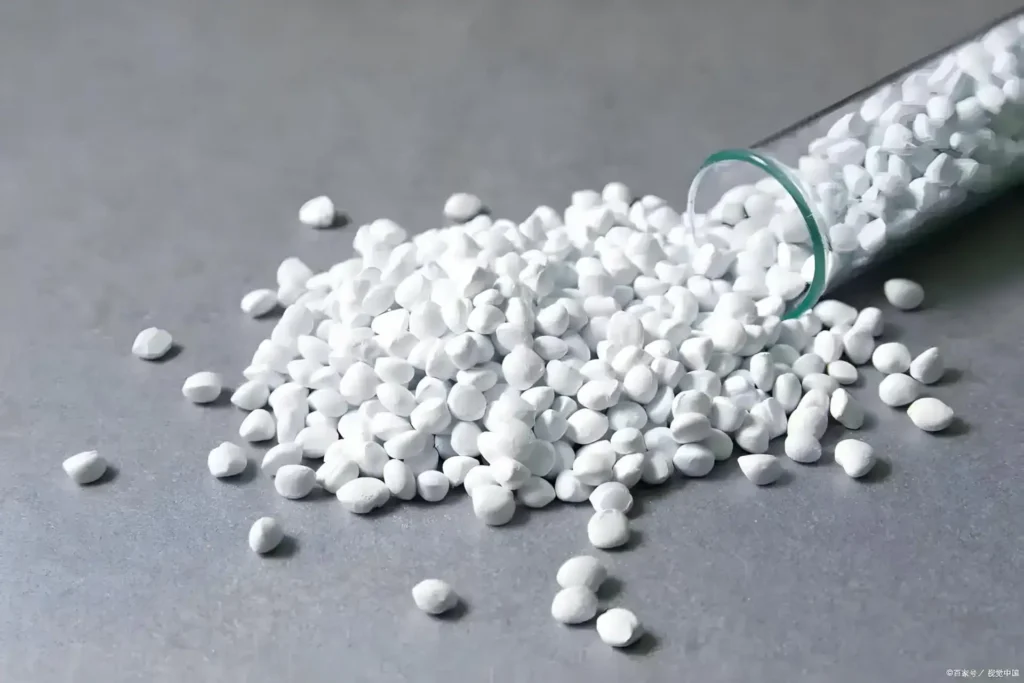
The Physics: Rutile TiO2 possesses an exceptionally high refractive index. It scatters incoming light before it can penetrate deep into the contaminated PCR matrix. This effectively “masks” the unpredictable yellow/grey undertones of the recycled base, providing a blank, neutral canvas for the primary organic pigments to project the target color.
Warning: Operators must not simply dump generic white masterbatch into the hopper. Overloading standard TiO2 into PCR will severely degrade the impact strength of an already weakened polymer chain, leading to brittle parts. The TiO2 must be integrated directly into the custom masterbatch formula at precise ratios.
3. Forcing Homogeneity: The Role of Reactive Compatibilizers
Color inconsistency in PCR isn’t just about base color; it is also about melt flow geometry. A batch of rPP (recycled Polypropylene) inevitably contains trace amounts of PE (Polyethylene) or other foreign polymers. Because these polymers are immiscible (they do not mix), they create distinct phases within the melt.
When pigment is introduced, it tends to migrate to the polymer phase with the lowest viscosity. The result? Color streaking, swirling, and terrible surface finish, especially in large injection-molded parts.
The Chemical Bridge: To solve this, advanced sustainable masterbatch formulations incorporate reactive compatibilizers, typically Maleic Anhydride grafted (MAH-g) polymers.
The Mechanism: These compatibilizers act as chemical bridges, binding the incompatible polymer phases together under high shear. By forcing the mixed PCR melt into a homogenous state, the pigment particles can distribute evenly across the entire polymer matrix. The streaks disappear, and the color reads as a solid, unified shade.
4. High-Stakes Applications for Corrected PCR
Achieving this level of dispersion and masking is non-negotiable for two major manufacturing sectors:
Eco-Friendly Consumer Electronics Casings: Brands demand 30% to 50% PCR content but refuse to compromise on their strict corporate Pantone standards. The casing must look indistinguishable from virgin plastic.
Export Logistics (Pallets & Packaging): Reusable plastic pallets and crates destined for the EU must utilize PCR to dodge plastic taxes. However, these items face heavy mechanical stress. Using compatibilizer-enhanced masterbatches ensures that masking the color does not destroy the pallet’s load-bearing capacity.
Market Relevance: Aligning with GCC Circular Economy Mandates
The Middle East is rapidly pivoting from a pure petrochemical exporter to a pioneer in sustainable downstream manufacturing. Initiatives like the Saudi Green Initiative and the UAE Net Zero 2050 strategy are pushing local converters to integrate recycled content. Petrochemical giants (like SABIC and Borouge) are aggressively expanding their circular polymer portfolios.
However, GCC manufacturers exporting finished goods to Europe are trapped. They must use PCR to comply with EU regulations, but European buyers will instantly reject shipments if the packaging looks dirty, streaky, or off-brand. By leveraging heavily engineered, masking-capable masterbatches, regional plastic processors can effortlessly absorb varying grades of local PCR scrap while delivering the pristine, virgin-like aesthetic demanded by global markets.