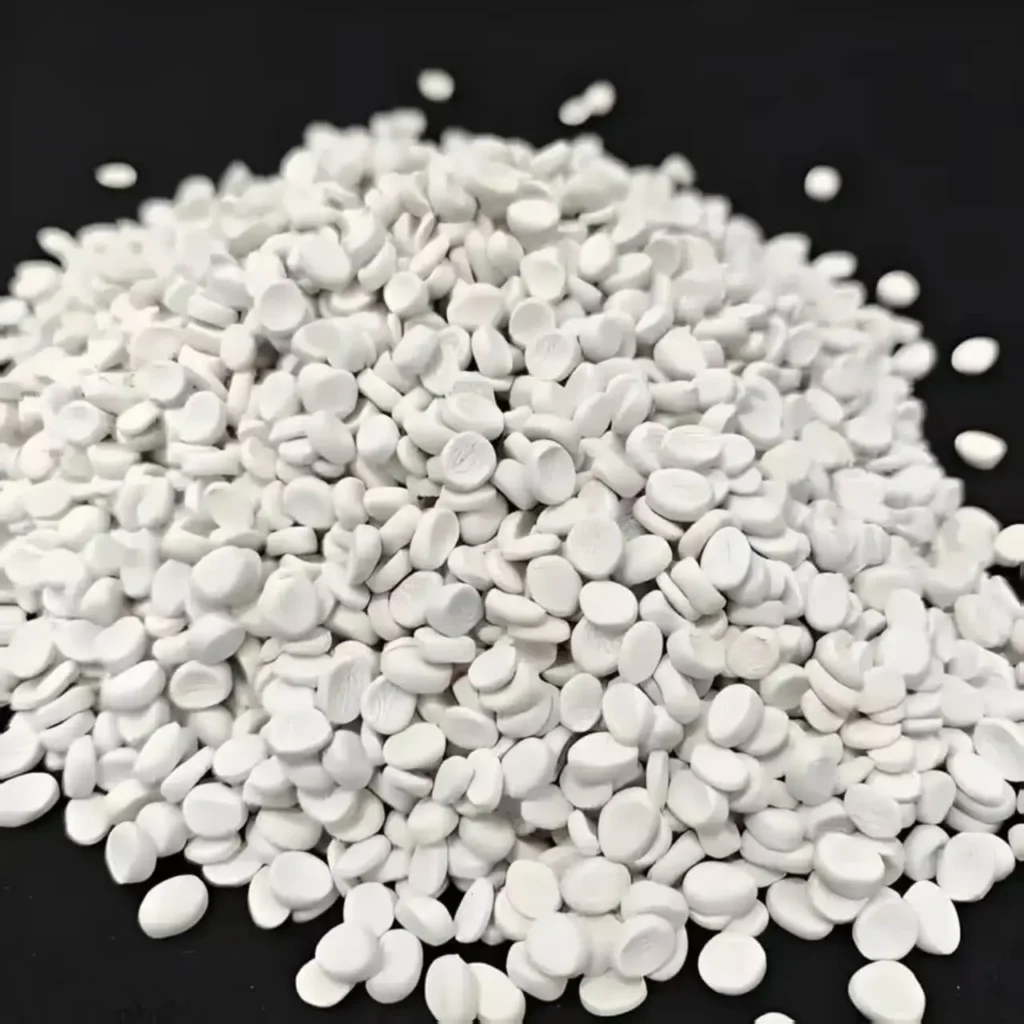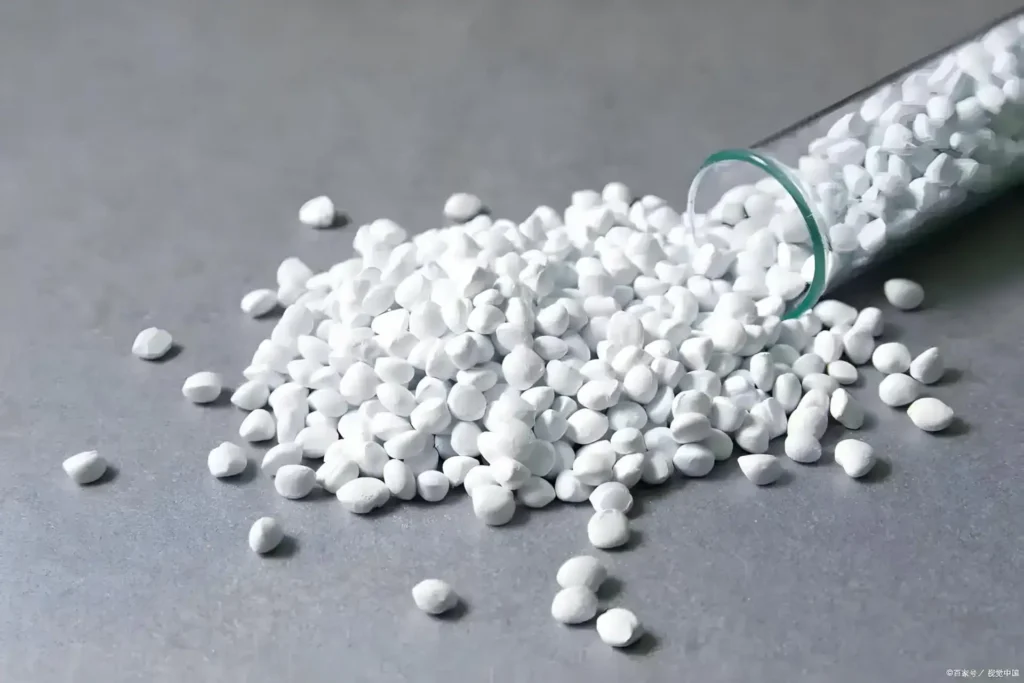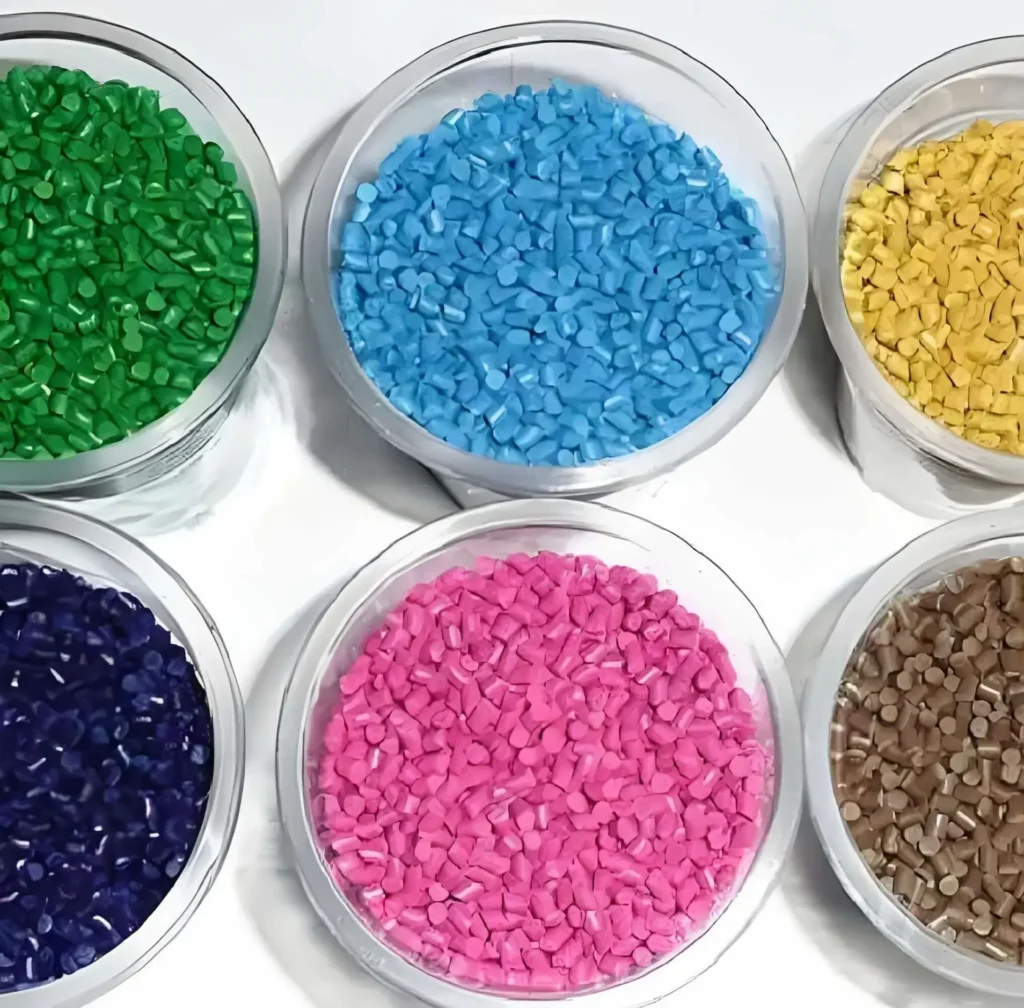
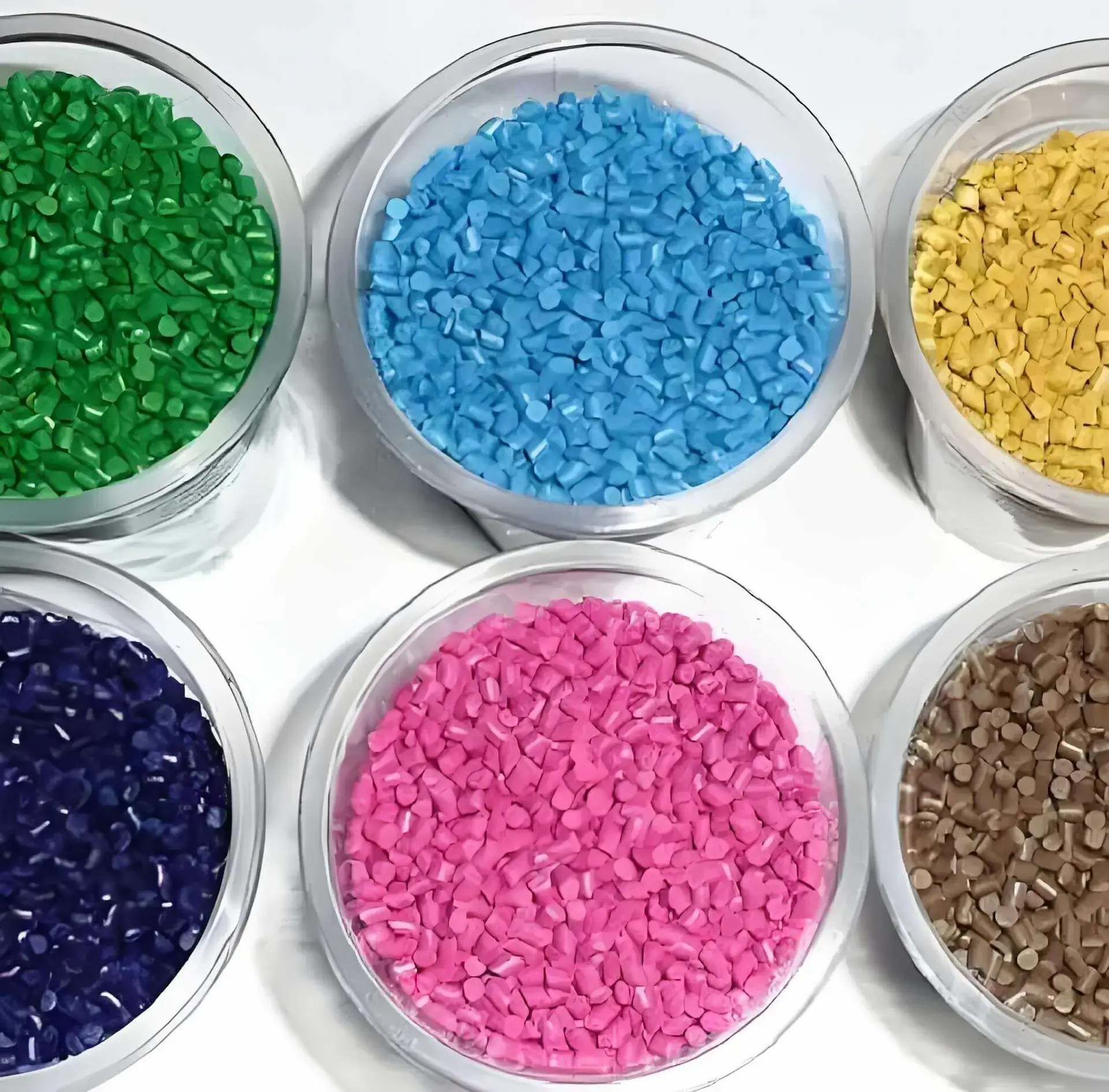
In the high-speed extrusion of Spunbond Polypropylene (PP) non-wovens, fiber continuity refers to the ability of extruded polymer melts to be drawn into micro-denier filaments without structural failure or snapping. When introducing a non-woven fabric colorant, this process is critically dependent on absolute pigment dispersion. Any unplasticized agglomerate exceeding 1 to 2 microns functions as a rigid stress concentrator under high-velocity air-drawing tension. To guarantee zero filament breakage and preserve the soft “textile hand” required for medical and hygiene applications, a premium spunbond PP masterbatch must be formulated with sub-micron pigments, organic surface treatments to prevent pigment-induced crystallization, and a high-melt-flow carrier resin that matches the rheology of the fiber-grade substrate.
For manufacturers producing surgical drapes, medical gowns, or disposable hygiene products, a single snapped filament on a spinning beam is not a minor inconvenience—it is a catastrophic production failure. When operating a modern spunbond line, extrusion speeds are pushed to the absolute limits of polymer physics. Introducing a poorly formulated colorant into this high-shear environment is the equivalent of injecting microscopic landmines directly into your polymer melt.
Standard masterbatches engineered for thick-walled injection molding or basic film extrusion are fundamentally incompatible with fiber spinning. Relying on commodity formulations will result in continuous web breaks, severe spinneret clogging, and a harsh, scratchy fabric texture that guarantees rejection by medical procurement boards. This technical brief defines the rheological and dispersive mechanics of fiber extrusion, establishing a strict formulation protocol to achieve uninterrupted fiber continuity and premium softness.
1. The Physics of Filament Breakage: Stress Concentrators in the Draw Zone
In the spunbond process, molten Polypropylene is extruded through thousands of microscopic capillaries in a spinneret and immediately subjected to high-velocity attenuation (air drawing). This force stretches the filament from a relatively thick exit diameter down to a fine, micro-denier fiber in a fraction of a second.
The Fracture Mechanism: If your masterbatch contains pigment agglomerates—even those as small as 5 microns—these particles cannot stretch. As the PP matrix thins down, the polymer layer becomes narrower than the pigment particle itself. Because the agglomerate is rigid and the surrounding polymer is elastic, the filament snaps precisely at that boundary.
The “Hand-Feel” Penalty: Even if the filaments survive the draw zone, large agglomerates protrude from the fiber surface, creating “hard spots” in the spun web. This destroys the fabric’s softness, making the final hygiene product feel abrasive against the skin. This failure is structurally identical to the pinhole defects analyzed in our High-Dispersion White Masterbatch for Ultra-Thin Films Guide.
2. Sub-Micron Dispersion and Surface Energy Matching
To achieve the dispersion required for medical-grade spunbond, the colorant formulation must bypass standard twin-screw compounding norms.
Ultra-Fine Pigment Milling: Pigments utilized for non-wovens must undergo intense pre-milling to ensure primary particle sizes remain strictly below 0.5 microns.
Preventing Pigment-Induced Crystallization: Bare pigment particles possess high surface energy. If introduced to a PP melt untreated, they act as nucleating agents, forcing the polymer to crystallize too rapidly around the pigment. This makes the fiber brittle and prone to shattering. We resolve this by utilizing advanced organic surfactants that lower the pigment’s surface energy, ensuring it “wets out” instantly. This highly engineered chemical compatibility is as critical as the thermal stabilization protocols discussed in our Custom Color Matching for Engineering Plastics guide.
3. Rheological Tuning: The MFI Differential Strategy
In fiber extrusion, the flow behavior (rheology) of the masterbatch carrier is arguably more important than the pigment concentration.
Carrier MFI Management: Fiber-grade Polypropylene typically operates with a Melt Flow Index (MFI) of 25 to 35 g/10min. To ensure flawless integration, the masterbatch carrier must possess an MFI significantly higher than the base resin—typically targeted between 50 and 80 g/10min.
Eliminating Viscosity Islands: A high-MFI carrier allows the heavily pigmented colorant to disperse seamlessly into the main polymer stream without creating localized “cold spots” or highly viscous lumps. These viscosity islands cause uneven fiber thickness, which directly compromises web uniformity and tensile strength—a challenge frequently encountered and resolved in our Blown Film Troubleshooting Protocol for Gels.
4. Functional Synergies for Medical and Hygiene Applications
High-end non-wovens often require aesthetic coloration to be paired with functional properties without compromising biological safety.
Biocompatibility and Leaching: For surgical masks and adult incontinence products, the fabric remains in direct contact with human skin. The colorants and processing aids used must not migrate or leach under body heat or moisture. Utilizing compliant, heavy-metal-free pigments is mandatory, aligning with the stringent safety thresholds detailed in our FDA and EFSA Compliance Matrix.
UV and Thermal Resistance: When spunbond fabrics are utilized in agricultural covers or long-term storage medical PPE, the fibers require aggressive UV stabilization. However, adding HALS (Hindered Amine Light Stabilizers) can alter melt viscosity. Our formulations pre-balance these additives, drawing upon our extensive UV and Anti-Aging Masterbatch Portfolio to ensure the spinning process remains uninterrupted.
Market Relevance: Securing the Regional Medical Supply Chain
The GCC and broader Middle East regions are rapidly localizing the production of medical textiles and hygiene disposables. As regional converters scale up to meet government healthcare procurement targets, they are directly competing with established European and American textile conglomerates.
In this sector, profitability is entirely dictated by line speed and uptime. Shutting down a spunbond line to clean clogged spinnerets or clear snapped webs destroys daily profit margins. By integrating premium Colored Masterbatches specifically engineered for the high-shear, micro-denier demands of the spinning beam, local manufacturers can transition from commodity fabric production to highly lucrative, medical-grade contracts with absolute confidence.