

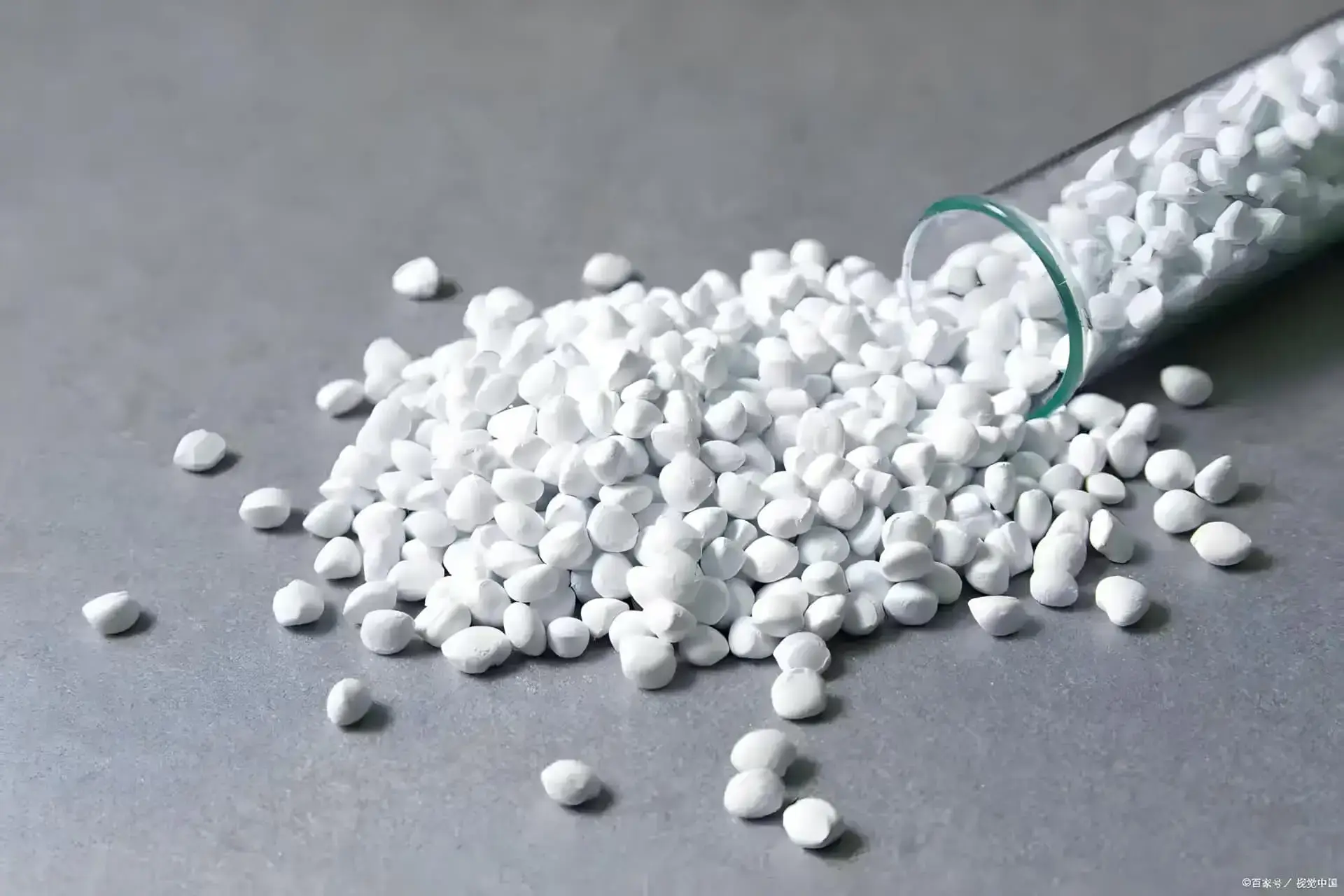
The Plastics Industry Association (SPI) defines Masterbatch—often called “color concentrate” or “additive concentrate”—as a pre-mixed, homogeneous blend. It combines pigments, additives, or fillers with a carrier resin. Manufacturers design it to mix with virgin or recycled plastic resin during production. This blend adds specific properties—like color, UV resistance, or flame retardancy—without hurting the base resin’s performance.
Pure pigments and additives are often powdery and hard to disperse evenly. In contrast, manufacturers process Masterbatch into small pellets, similar in size to plastic resin pellets. This form makes handling easy, dosing precise, and distribution uniform in the final product. It also solves common pain points for manufacturers and businesses buying Masterbatch for large-scale production.
Key Components of Masterbatch
Every high-quality Masterbatch has three core components, and each plays a vital role in its performance. First, understanding these components helps buyers evaluate Masterbatch quality. Additionally, it lets them choose the right product for their needs:
Carrier Resin: This base material binds the other components together. It must match the target plastic resin (e.g., PE, PP, ABS) for seamless integration. Common carrier resins include polyethylene (PE) and polypropylene (PP)—the most widely used plastics in industrial manufacturing.
Functional Additives/Pigments: These are the “active” ingredients that deliver desired properties. Pigments—either organic or inorganic—add color. Meanwhile, additives boost performance: UV stabilizers prevent fading, antioxidants extend product lifespan, and flame retardants suit safety-critical applications.
Dispersing Agents: These ensure even distribution of pigments and additives throughout the carrier resin. Without effective dispersing agents, clumping occurs. This clumping leads to uneven color or inconsistent performance in the final plastic product.
Common Types of Masterbatch
Manufacturers categorize Masterbatch by its function. This categorization makes it easy for businesses to find the right type for their specific application. The most widely used types include the following:
1. Color Masterbatch
Color Masterbatch is the most popular type. It adds consistent, vibrant color to plastic products. It eliminates the need to mix messy, hard-to-dose pure pigments. Moreover, it ensures color uniformity across batches—critical for brands needing consistent product branding.
2. Additive Masterbatch
Additive Masterbatch enhances specific plastic properties. For example, UV-stabilized Masterbatch works for outdoor products like garden furniture or packaging. Antistatic Masterbatch suits electronic components, while flame-retardant Masterbatch fits construction or automotive parts.
3. Filler Masterbatch
Filler Masterbatch—usually made with calcium carbonate or talc—cuts production costs. It replaces a portion of expensive virgin resin. Additionally, it improves rigidity and dimensional stability in plastic products. This makes it a cost-effective choice for bulk items like plastic pipes or containers.
“For over 120 years, we have been at the forefront of steel industry innovation. Today, our dedication lies in spearheading the path to a sustainable future for steel and steel manufacturing. Together, we forge a greener and more sustainable tomorrow.”
What is Masterbatch Used For?
Masterbatch works across nearly every industry that uses plastic manufacturing. Its versatility makes it a staple for businesses of all sizes—from small-scale manufacturers to large multinationals. Key applications include:
Packaging Industry: Brands use color Masterbatch for branded packaging (e.g., food containers, plastic bags). They also use additive Masterbatch for UV protection—preserving food freshness—or barrier properties that prevent moisture absorption.
Automotive Industry: Manufacturers use flame-retardant and UV-stabilized Masterbatch for interior components (e.g., dashboards, door panels). They also use color Masterbatch for exterior trim.
Construction Industry: Companies use filler Masterbatch for plastic pipes, windows, and siding. It cuts costs and improves durability. They also use UV-stabilized Masterbatch for outdoor construction materials.
Consumer Goods: Manufacturers use color Masterbatch for toys, household appliances, and personal care products. It ensures consistent color and compliance with safety standards—such as food-grade Masterbatch for kitchenware.