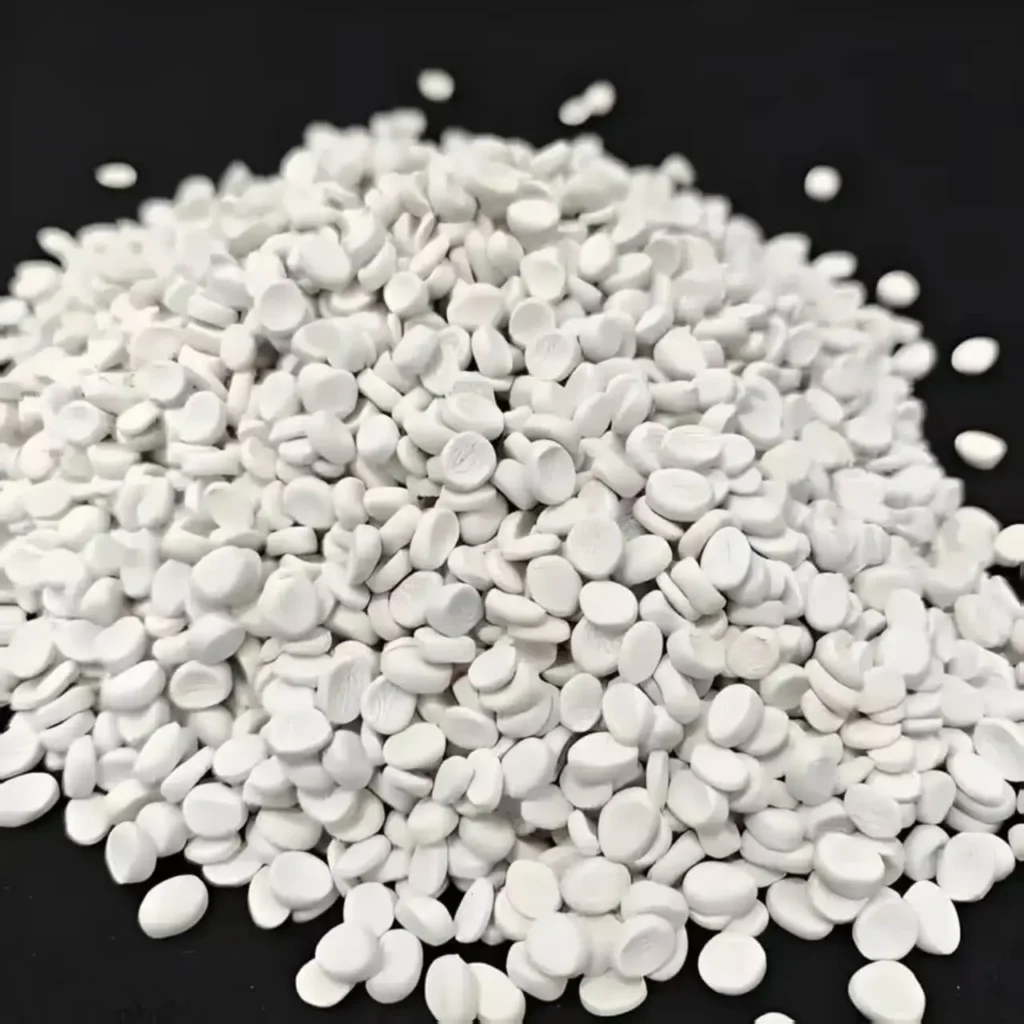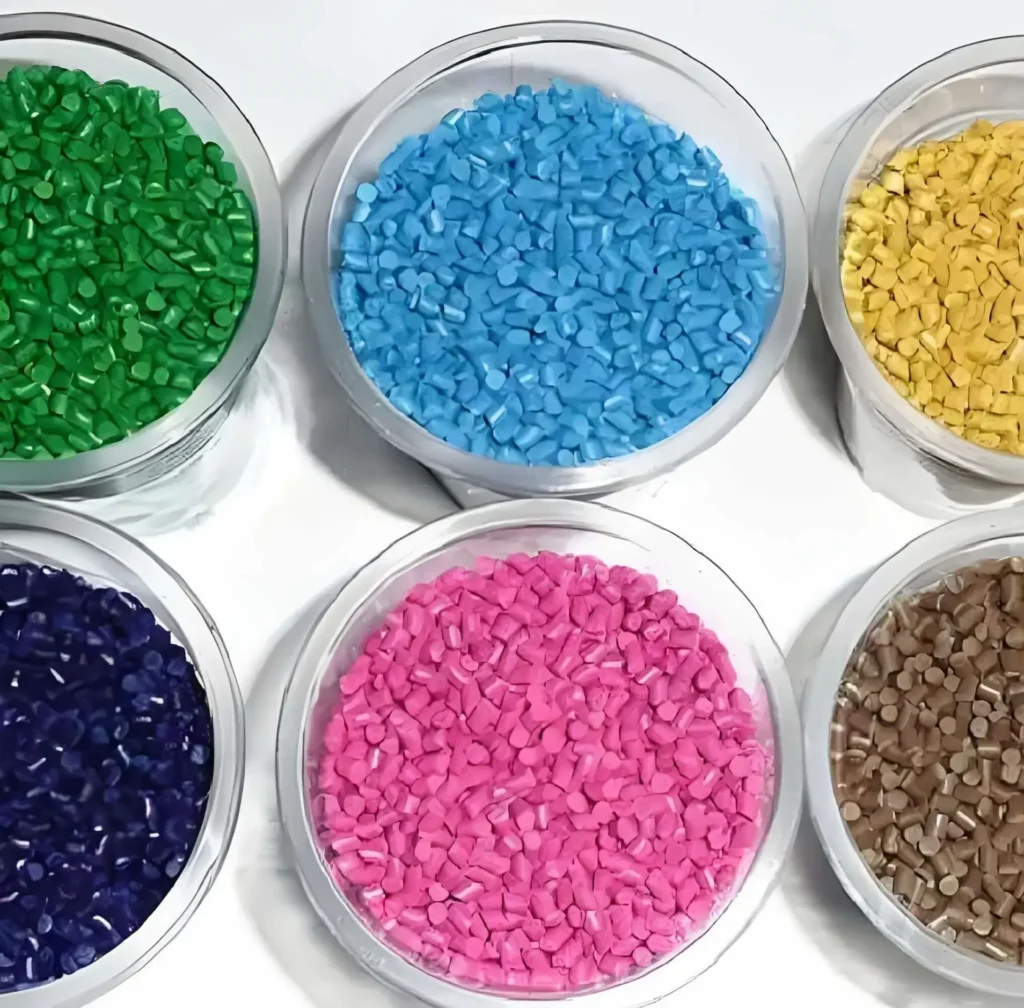
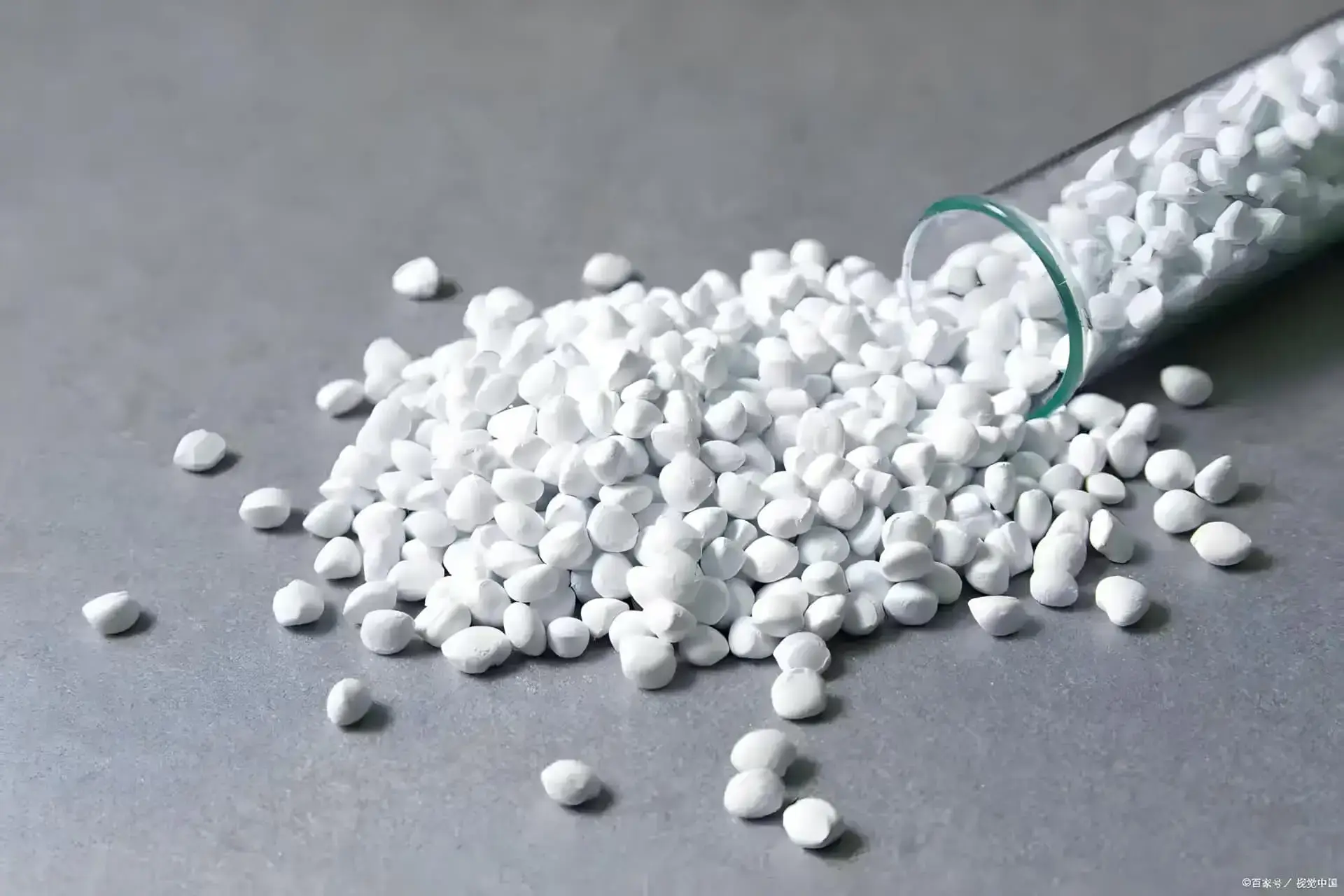
In the thermoforming of household appliance interiors, HIPS coloration demands far more than basic visual opacity. High-Impact Polystyrene is highly susceptible to Environmental Stress Cracking (ESC) when exposed to lipid-rich foods (fatty acids like butter and cooking oils). When formulating a refrigerator liner masterbatch, the colorant must not compromise the polymer’s chemical defense. Achieving high stress cracking resistance mandates the absolute elimination of incompatible carrier resins (such as PE or EVA) and migratory organic slip agents. By utilizing a strictly matched Polystyrene (PS) carrier and fully encapsulated, chemically inert pigments, converters prevent the formation of micro-voids during sheet extrusion, effectively halting lipid-induced crack propagation in the final thermoformed appliance liner.
When a refrigerator’s crisp white interior liner develops spider-web cracks after just six months of consumer use, the warranty claim is usually directed at the sheet extruder. Plant managers immediately assume the HIPS (High-Impact Polystyrene) resin was degraded by excessive regrind usage or poor thermoforming temperature control.
However, in the appliance sector, catastrophic liner failure is frequently a chemical issue, not a mechanical one. The root cause is often the white or blue-tinted masterbatch used to color the sheet. If a masterbatch introduces incompatible polymers or cheap organic dispersants into the HIPS matrix, it compromises the rubber phase of the polystyrene. When consumers spill milk or store butter directly on the plastic, the fatty acids penetrate these compromised zones, causing rapid Environmental Stress Cracking (ESC).
This technical diagnostic exposes the chemical interaction between colorants and lipid stress in HIPS, providing OEM sheet extruders with a rigid formulation protocol to secure zero-defect appliance interiors.
1. The Chemistry of Environmental Stress Cracking (ESC)
To understand why refrigerator liners fail, we must look at the morphology of HIPS. High-Impact Polystyrene gets its toughness from a dispersed polybutadiene rubber phase embedded within a rigid polystyrene matrix.
The Fatty Acid Attack: Lipids, such as those found in butter, margarine, and cooking oils, act as aggressive chemical swelling agents. When these fats come into contact with the HIPS surface, they migrate into the polybutadiene rubber particles.
The Fracture Mechanism: As the rubber phase absorbs the fatty acids, it swells and softens. This drastically lowers the polymer’s yield point. If the liner is already under residual mechanical stress from the deep-draw thermoforming process, this localized swelling causes the polymer chains to disentangle and rupture. Micro-crazing appears on the surface, which rapidly propagates into full-thickness cracks.
2. Carrier Resin Mismatch: The Catalyst for ESC
The most devastating mistake a sheet extruder can make is using a “universal” or PE-based masterbatch to color HIPS appliance sheets.
Phase Separation: Polyethylene (PE) and Polystyrene (PS) are thermodynamically immiscible. When a PE-based white masterbatch is extruded into a HIPS matrix, it does not dissolve. Instead, it forms microscopic, unbonded droplets (viscosity islands) throughout the sheet.
Accelerating Failure: These PE droplets act as physical stress concentrators—exactly like the agglomerate defects discussed in our Ultra-Thin Blown Film Pinhole Guide. Worse, they create porous micro-channels along the polymer boundaries. When fatty acids touch the surface, these channels act as a capillary highway, driving the lipids deep into the HIPS structure and accelerating the ESC failure rate by up to 400%.
The Solution: A premium Refrigerator Liner Masterbatch must be formulated using a highly controlled, 100% Polystyrene (PS) carrier system to ensure perfect rheological integration and zero boundary phase weaknesses.
3. Deep-Draw Thermoforming and Pigment Dispersion
Appliance liners are manufactured using heavy-gauge sheet extrusion followed by vacuum thermoforming. The corners of the refrigerator liner undergo extreme elongation, thinning out significantly.
Opacity Loss at High Draw Ratios: If the titanium dioxide ($TiO_2$) in the white masterbatch is poorly dispersed, the heavily drawn corners of the liner will become translucent, exposing the dark polyurethane insulation foam behind it.
Rutile Selection: Achieving deep, consistent masking power requires high-concentration, surface-treated Rutile $TiO_2$. Anatase grades must be strictly avoided, not only for their poor refractive index but for their catalytic reactivity, as fully detailed in our technical brief on Titanium Dioxide Selection.
Tear Initiation: Large pigment agglomerates present in low-tier masterbatches will not stretch during thermoforming. At the thinnest points of the drawn corner, these solid clusters will tear the HIPS sheet open, causing an immediate vacuum loss on the forming tool and scrapping the part.
4. Food Contact Compliance and Migratory Additives
Because the refrigerator liner is in direct contact with unpackaged foods, the colorant must pass strict global regulatory standards.
Zero-Migration Policy: Cheap masterbatches often use low-molecular-weight waxes (like paraffin or EBS) to artificially boost pigment dispersion. Under the continuous cold-cycling of a refrigerator, these waxes migrate (bloom) to the surface of the liner, carrying pigments and trace heavy metals with them.
Regulatory Audits: To pass stringent OEM audits for global brands (like Whirlpool, Haier, or Electrolux), the masterbatch must utilize non-migratory, high-molecular-weight dispersing aids. It must be heavily vetted against heavy metal restrictions (RoHS) and certified for direct food contact, adhering strictly to the safety thresholds outlined in our FDA and EFSA Compliance Matrix.
Market Relevance: Securing Tier-1 Appliance Contracts
The global white goods sector operates on razor-thin margins and massive volumes. OEMs do not tolerate raw material variations that lead to field failures. In emerging manufacturing hubs across the Middle East and Southeast Asia, local sheet extruders are fiercely competing for Tier-1 appliance supply contracts.
To win these bids, extruders must prove that their HIPS sheets can pass grueling OEM ESCR testing (which typically involves subjecting the stressed plastic to a 50/50 mixture of olive oil and oleic acid at elevated temperatures for several days). Utilizing a highly engineered, PS-specific masterbatch from a reputable Custom Color Masterbatch Supplier is the only way to mathematically guarantee compliance. It transforms color from a potential liability into a structural asset.