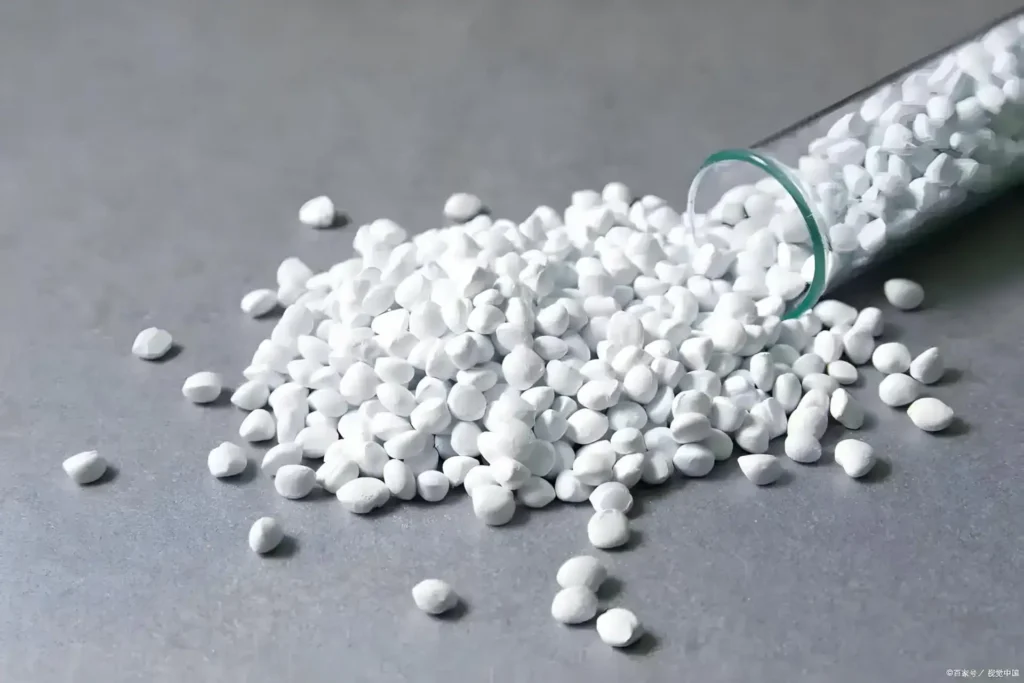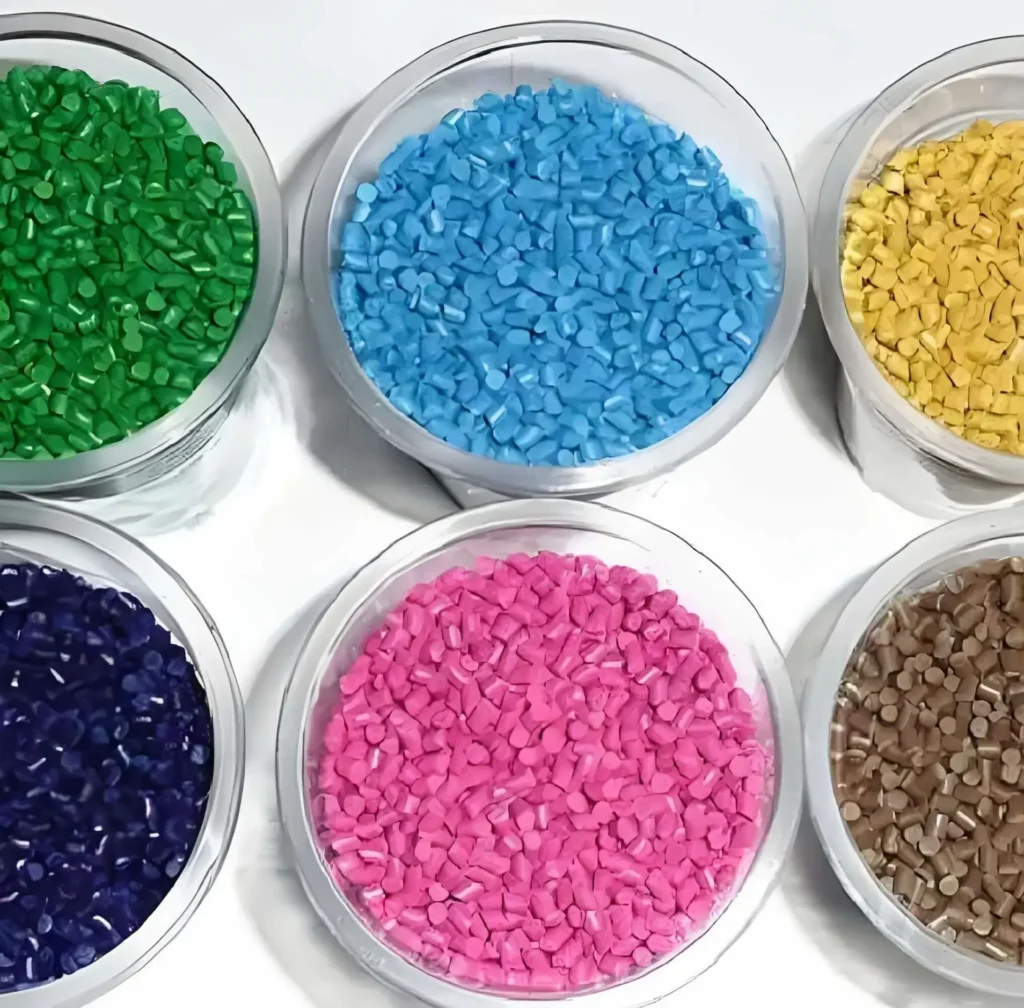
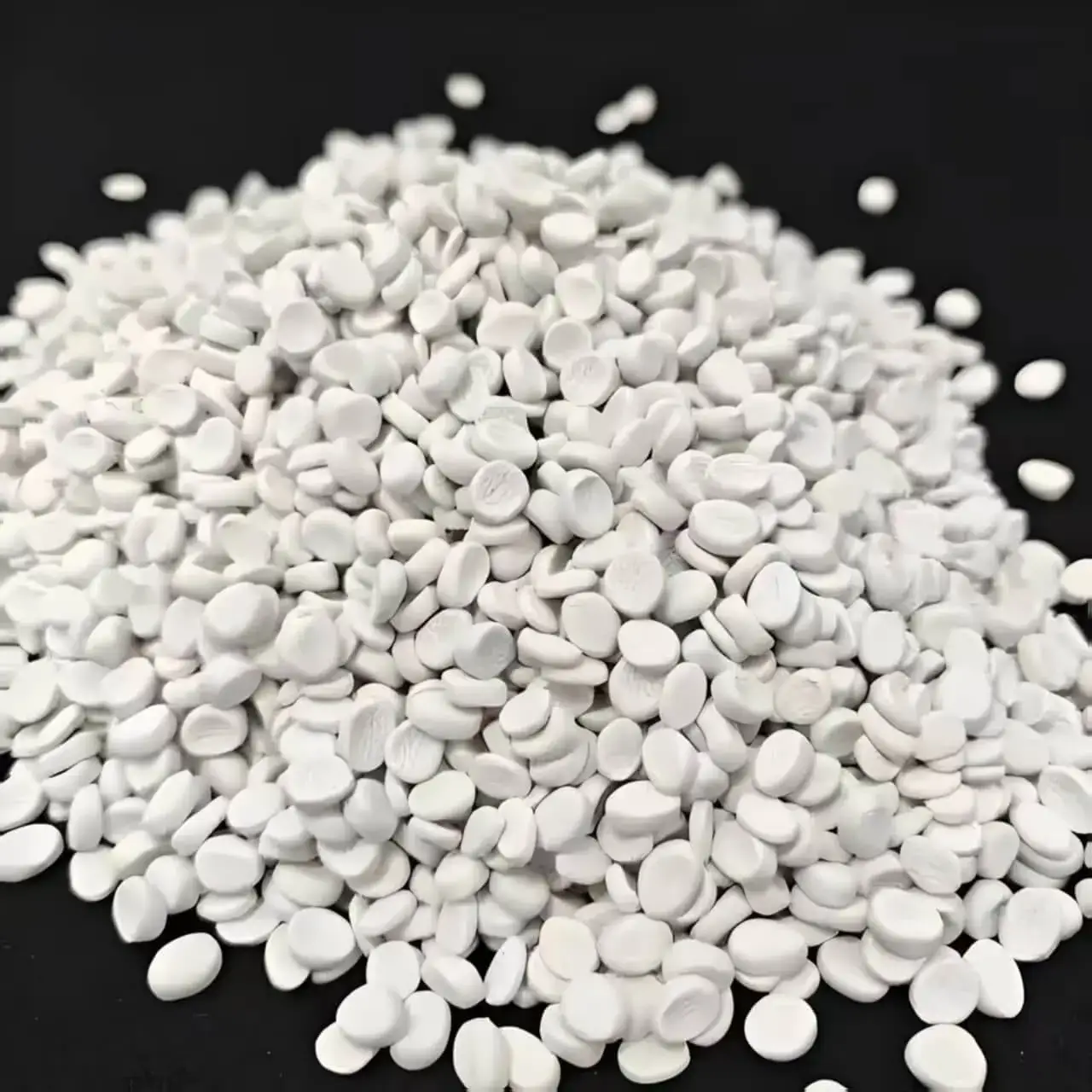
In the thermoforming and injection molding of ESD plastic packaging, surface resistivity must be rigidly controlled between $10^8$ and $10^{11}$ ohms per square to prevent catastrophic electrostatic discharge from destroying sensitive microprocessors. Achieving this electrical parameter while maintaining brand-specific aesthetics requires a specialized antistatic color masterbatch. Rather than relying on inconsistent topical spray coatings, these dual-action formulations compound dust repellent additives—utilizing either fast-acting migratory ethoxylated amines or permanent Inherently Dissipative Polymers (IDPs)—directly alongside heat-stable pigments. This engineered integration prevents localized charge accumulation, guaranteeing that sensitive microelectronics are protected from latent ESD failure while eliminating cosmetic dust attraction on retail shelves.
For decades, the electronics packaging industry operated under a rigid, unwritten rule: ESD-safe packaging is either translucent pink or opaque black. If a consumer electronics brand wanted a vibrant, custom-colored thermoformed tray to match their corporate identity, they had to sacrifice electrostatic discharge protection or pay for expensive, secondary anti-stat coating processes.
Today, top-tier OEMs (like Apple, Samsung, and Sony) demand both. They require packaging that delivers flawless aesthetic differentiation while strictly adhering to EIA-541 standards for static dissipation. Attempting to mix off-the-shelf colored masterbatches with generic antistatic additives on the factory floor almost always results in a chemical disaster: severe color shifting, greasy surface bloom, or a total failure to reach the required ohmic resistance. This technical guide deconstructs the chemical conflict between pigments and static dissipators, providing a formulation blueprint for achieving zero-defect, dual-action ESD coloration.
1. The Additive Clash: Rheological Interference in Compounding
Why is it so difficult to make a brightly colored, ESD-safe plastic? The answer lies in the rheology of the twin-screw extruder during the masterbatch compounding phase.
The Lubrication Effect: Most traditional antistatic agents are migratory (e.g., glycerol monostearate or ethoxylated fatty amines). These chemicals are essentially highly effective lubricants. When added to a polymer melt alongside pigments, they drastically reduce the melt viscosity and the internal shear friction of the extruder.
Pigment Agglomeration: Pigments require massive mechanical shear to be broken down into sub-micron particles. Because the antistatic agent lubricates the screws, the shear energy drops. The pigments fail to disperse, forming hard clusters. This leads to the exact same visual streaking and structural failure mechanisms we diagnose in our High-Dispersion White Masterbatch Production Guide. A true dual-action masterbatch requires specialized dispersive resins that counteract this lubrication effect.
2. Migratory vs. Permanent Antistatic Technologies
Selecting the correct static dissipation technology depends entirely on the shelf-life and shipping environment of the final electronic component.
Migratory Antistats (Humidity Dependent): These molecules migrate to the surface of the plastic over 24 to 48 hours, forming a microscopic layer that attracts ambient moisture from the air. This water layer conducts the static charge away. While highly cost-effective and excellent at functioning as dust repellent additives for retail consumer goods, they fail completely in ultra-dry environments (e.g., winter shipping or desert climates).
Permanent IDPs (Humidity Independent): For high-value medical electronics or aerospace microchips, you cannot rely on atmospheric moisture. Permanent antistatic masterbatches utilize Inherently Dissipative Polymers (IDPs). These form a continuous 3D conductive network inside the host plastic matrix. They act instantly, never wash off, and function perfectly at 0% relative humidity.
3. Controlling Surface Bloom and Polycarbonate Degradation
If the packaging material is a high-performance engineering resin like Polycarbonate (PC) or a specialized PS alloy, careless antistatic formulation will destroy the mechanical integrity of the tray.
Chemical Attack: Many standard amine-based antistatic agents are highly alkaline. At the 280°C processing temperatures required for PC, these amines will chemically attack the polymer backbone, causing severe molecular weight drop-off and catastrophic embrittlement. This thermal degradation is identical to the pigment-induced burnouts we solve in our Custom Color Matching for Engineering Plastics protocol.
The Cosmetic Penalty (Blooming): Overdosing a migratory antistat to guarantee a $10^9$ ohms/sq reading will cause the additive to rapidly pool on the surface of the plastic. This creates a greasy, hazy film that transfers onto the electronic component itself—an automatic rejection by QA inspectors.
4. The Conductive Black Alternative
If the application is for internal factory automation trays rather than consumer-facing retail packaging, optical color is less critical than absolute conductivity.
For trays requiring strict grounding capabilities (surface resistivity below $10^6$ ohms/sq), standard migratory additives are insufficient. Manufacturers must utilize heavily loaded conductive carbon black. However, as detailed in our analysis on Carbon Black Particle Size and Dispersion, achieving conductivity without making the plastic incredibly brittle requires highly structured, extra-conductive carbon black (ECB) compounded with specialized elastomers to preserve the tray’s impact strength.
Market Relevance: Securing Premium Consumer Electronics Contracts
The global supply chain for consumer electronics is highly sensitive to aesthetic branding and microscopic damage. In massive manufacturing hubs across Asia and the Middle East, thermoformers producing PET, PS, and PP clamshells and trays are constantly pressured to upgrade their ESD capabilities.
By offering dual-action Colored Masterbatches that guarantee both Pantone-accurate branding and strict EIA-541 electrostatic compliance, plastic converters can immediately bypass low-margin commodity packaging bids. Delivering a dust-free, custom-colored, and ESD-safe tray allows thermoformers to secure high-margin, Tier-1 contracts with global tech giants who refuse to compromise on either safety or retail shelf appeal.